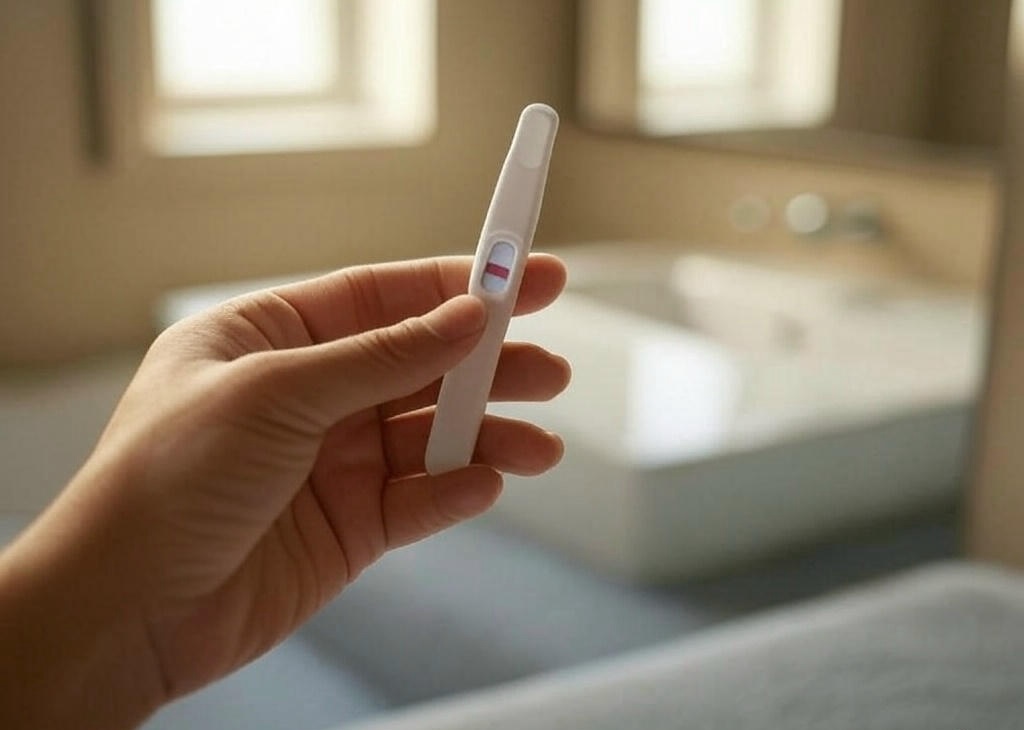
So, why can’t you get pregnant?
Good news is that 85% of all couples who are otherwise healthy and engaging in regular intercourse (opposite sex couples, penis-in-vagina) will conceive in 12 months.
This includes healthy women < 35yo who are having regular monthly menstrual cycles as good evidence that you are ovulating every month.
This includes healthy men who do not have any known testicular disease or other underlying physical abnormalities known to cause sperm dysfunction or absence of any sperm.
So, have fun!
“But…I’ve been trying for >1 year and I am still not pregnant…what is wrong with me??”
Good news is that there is likely NOT anything wrong with you…the vast majority of couples who do not conceive in that previously quoted 12 months will go on to successfully conceive in the next year.
BUT, if that is NOT you, and if you are over 35 years old, you may need some help…and because fecundity (a woman’s ability to get pregnant) decreases after age 35, time is NOT on your side!
Of those of you who are unable to conceive, most of you have what we call “infertility of unclear etiology”, which is a fancy way of saying…we don’t know why you cannot conceive.
So, what to do?
What about the rest of us who may have something that can be “fixed” or at least identified as a reason for our inability to conceive?
The first thing you need to do is seek medical advice and ask for a fertility evaluation.
If your primary care provider is not able to perform this evaluation, you must ask for a consult or referral to a Gynecologist.
Your doctor will likely order a few lab tests and perhaps a study to evaluate the patency of your Fallopian tubes, called an “HSG” (hysterosalpingogram).
The most likely causes for infertility are ovulatory dysfunction and tubal disease, so these tests will help your doctor decide what treatment you need or if you need a further referral to an infertility specialist.
Initial testing will include thyroid function, follicle stimulating hormone levels (to prove your ovaries are still putting out the good stuff, i.e. viable eggs) and perhaps another test for ovarian function, a test called Anti-Mullerian Hormone.
Once you have your initial lab results and you have completed your HSG, your doctor will be able to advise you on the best treatment plan for you.
Your Fallopian tubes are where conception actually occurs; sperm travel through the tube to meet your egg and then, if successful “interaction” occurs, the conceptus travels back into your uterus and implants and grows into your baby.
If your tubes are blocked due to fluid in the tubes or are scarred because of a previous infection, this may be why you are unable to conceive.
The HSG results are valuable because they will show if you have open tubes to be able to join your egg with sperm to conceive.
The HSG will also show if your uterus has a good / normal shape to allow implantation and growth of your baby.
If you have evidence of tubal disease or if you have an abnormal-looking uterine cavity your doctor may recommend a surgery to correct the issue to improve your chances to conceive.
This is just the beginning of your journey to being a parent – there are many more things that may be impacting your ability to conceive and you and your doctor will discuss treatment options based upon your initial evaluation results as well as your unique clinical circumstances.
We will dive deeper into the complicated topic of fertility including age-related concerns, male factor infertility, hormonal “imbalance”, and the ever-popular discussion of stress and how it can impact your ability to conceive.
I look forward to our continued conversation, please let me know what specific questions you have, and remember:
Listen, Be Present, and Believe!